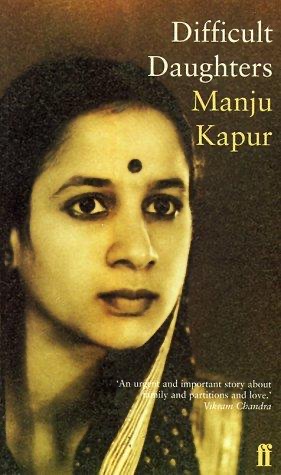
Cover of Difficult Daughters

Difficult Daughters

Manju Kapur

4 ideas

  1. Virmati's defiance and its costly aftermath

    Virmati is the eldest of eleven children in 1940s Amritsar and serves as a surrogate mother to her siblings. She falls in love with Harish, a married Oxford-returned professor who lodges next door, and refuses her arranged engagement to a canal engineer, even attempting to drown herself in a canal. She is sent to study in Lahore, secretly undergoes an abortion there, loses a headmistress post over Harish's visits, and finally marries him, only to become a despised second wife under the same roof as his first wife, Ganga, while her own mother, Kasturi, disowns her.

  2. Rebellion can transfer control rather than end it

    A woman who escapes the authority of her family by choosing a man can end up placing herself under his authority instead. Harish champions Virmati's education in principle but directs her reading, decides when to hide or claim her, and sets the terms of their relationship. The liberating act, choosing love and learning over duty, becomes the route into a new dependency, because what she could choose came through a man.

  3. Private rebellion versus collective political action

    The novel sets Virmati's individual, romantic defiance beside her friend Swarnalata, who marries, joins the independence movement, and campaigns in public. Seen together, they suggest that one woman's rebellion, fought alone and in secret, isolates her and leaves her dependent on a single man. The same defiance, when joined to a political cause and a network of allies, can widen a woman's freedom without exiling her. The national struggle for independence runs underneath the story, so each personal bid for freedom can be measured against a collective one.

  4. Defining yourself against your mother

    The narrator, Ida, opens by saying the one thing she wanted was not to be like her mother. Yet she rebuilds Virmati's life from relatives' memories and finds her own divorce, childlessness, and struggles over autonomy echoing it. Defining yourself purely in opposition to a parent keeps that parent at the center of your identity, and reconstructing her story becomes the only way to understand the pattern and loosen it.

Save and mark ideas in the app