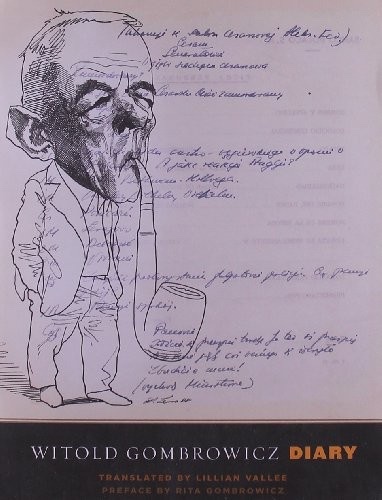
Cover of Diary

Diary

Witold Gombrowicz

4 ideas

  1. Form as interpersonal pressure shaping identity

    A person has no fixed self to express, because every gesture, style and opinion is deformed by the presence of others and hardens into a Form imposed from outside. We act the roles our audience expects, then mistake the mask for our own face. Authenticity therefore means an ongoing struggle against the shapes others press onto us, since no one is free of Form.

  2. Overcoming Poland to strengthen individual Polishness

    Gombrowicz argues that Poles should overcome their veneration of Poland, and he presents this as a way to strengthen each person's own Polishness, not to discard it. He places the individual between national and individual life, so that a Pole is not merely contained by the collective myth. He treats patriotic literature and émigré piety as Form presenting itself as virtue.

  3. Immaturity as the hidden engine of culture

    Instead of reading culture as the progressive work of mature adults, look at how the higher is drawn to the lower: adults are seduced by youth, masters by the unformed, and each generation by what is still incomplete. Maturity is a pose held up against the pull of greenness, and that tension, not accomplished perfection, drives artistic and social life.

  4. Stranded writer builds himself in print

    In August 1939 Gombrowicz arrived in Buenos Aires on the liner Chrobry's maiden voyage. When war broke out days later he stayed, and lived in poor, obscure Argentine exile for about 24 years. From 1953 he published the Diary in Kultura, opening it with 'Monday: Me. Tuesday: Me. Wednesday: Me. Thursday: Me.', and used it to deliberately construct a public persona, treating the diary as an instrument of self-creation rather than private confession.

Save and mark ideas in the app