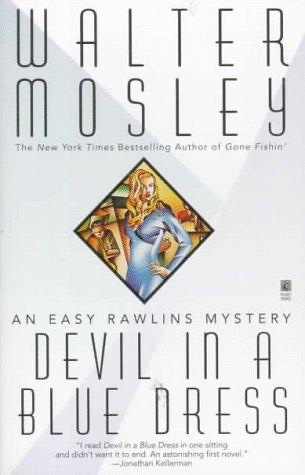
Cover of Devil in a Blue Dress

Devil in a Blue Dress

Walter Mosley

3 ideas

  1. Homeownership as the precondition for autonomy

    For Easy, owning his house is the concrete form of freedom: a man with his own property cannot be ordered around by a boss or a landlord. That same property creates a mortgage, and the debt is exactly what makes him willing to take dangerous work from men he distrusts. Ownership protects his independence, but it also turns his need to keep that independence into leverage that others can use against him.

  2. Segregation turns Black presence into purchasable access

    Albright hires Easy because a white man asking questions in Watts bars and after-hours clubs gets silence, while a Black man moves through those spaces unremarked. Segregation turns Easy's ordinary social belonging into a skill white power will pay for. The same color line that closes most jobs to him makes him valuable as an intermediary, and also expendable, since the police and his employers can treat him as a suspect the moment he becomes inconvenient.

  3. Borrowed violence makes you its accomplice

    Easy survives by summoning Mouse, a childhood friend who kills casually and without remorse. The protection works, but Easy cannot control how Mouse uses force, so every rescue leaves him morally tied to killings he did not choose. Read this way, relying on someone else's violence does not keep your hands clean. It trades the risk of being a victim for the burden of being complicit.

Save and mark ideas in the app