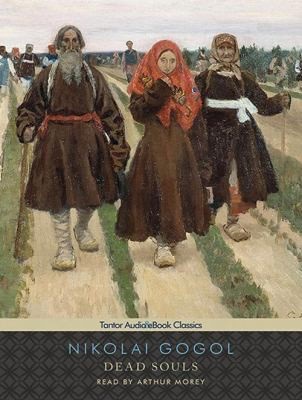
Cover of Dead Souls

Dead Souls

Nikolai Gogol

3 ideas

  1. Chichikov buys dead serfs as collateral

    Chichikov, a disgraced former customs official, travels to the town of N and visits landowners (Manilov, Korobochka, Nozdryov, Sobakevich, Plyushkin), offering to buy the titles of serfs who have died since the last census but who still count as alive for the poll tax. Because the state treats these 'souls' as living until the next revision, he plans to register them as property on land in Kherson and mortgage them to the Guardian Council for real money. Each seller reacts according to their character: sentimental bafflement, haggling over price, a bullying attempt to bundle in dogs and horses, hard bargaining over dead men's virtues, and miserly relief at shedding a tax burden.

  2. Standing inflated and deflated by rumor

    The town's officials take Chichikov for a man of great means once word spreads of his large serf purchases, an impression his polished manners and flattery help sustain. When gossip turns, they spin wild theories, such as that he is Napoleon in disguise or Captain Kopeikin, and his reputation collapses quickly, showing credibility in the town resting on shared talk more than on verification.

  3. Landowners as images of spiritual deadness

    Gogol sketches the landowners largely through dominant traits (empty daydreaming, fearful thrift, compulsive lying, crude acquisitiveness, hoarding), though Plyushkin is given a history of decline and faint traces of former feeling. Read this way, the title's 'dead souls' can point to the living owners as well as the dead serfs, suggesting that those with legal power over people have themselves grown inwardly lifeless.

Save and mark ideas in the app