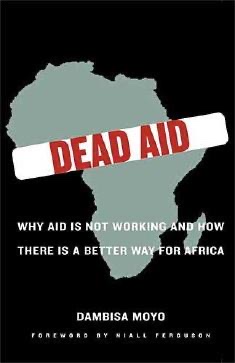
Cover of Dead Aid

Dead Aid

Dambisa Moyo

6 ideas

  1. Aid finances corruption by substituting for taxes

    Large, predictable aid inflows give governments a revenue source that doesn't depend on taxing their own citizens, so rulers stop answering to their citizens and answer to donors instead. Because aid is fungible and hard to trace, it becomes easy to divert to patronage and private accounts. That entrenches the officials it was meant to reform.

  2. The micro-macro paradox of aid

    Individual aid projects often look effective when judged on their own, such as a clinic built or bednets distributed. Aggregate aid flows still show no positive correlation with, or even a negative one with, national growth. Project-level success hides economy-wide harm like crowding out, inflation and weakened institutions.

  3. The mosquito net maker put out of business

    A local entrepreneur makes and sells mosquito nets and employs a handful of workers who support extended families. A well-meaning donor then floods the market with a hundred thousand free nets, and his business collapses. The free nets wear out within a few years, and no local producer is left to replace them.

  4. Market-based financing as aid's replacement

    Moyo proposes a thought experiment in which aid is cut off within five years, and she sketches a shift toward market-based finance in the meantime: sovereign bonds, foreign direct investment including Chinese infrastructure deals, trade helped by removing Western agricultural subsidies, and microfinance and remittances. In her fictional Dongo plan some aid still remains. She argues that bond markets and investment in particular impose a discipline on borrowers that concessional aid does not.

  5. Aid as a cycle of dependency

    Aid should be seen as a self-reinforcing loop rather than a one-off transfer of resources. It weakens institutions and discourages savings and investment, which slows growth and deepens poverty. Worsening poverty then serves as the justification for more aid. On this view, rising aid volumes are a sign of failure, not of generosity.

  6. Economic growth precedes durable democracy

    Democracy imposed or bankrolled from outside rarely takes hold in poor countries, and aid tied to democratic conditions props up weak regimes. A growing middle class with property and a stake in the system is what eventually demands accountable government. A decisive, benevolent leader who delivers growth may therefore serve a very poor country better at first than premature multiparty politics.

Save and mark ideas in the app