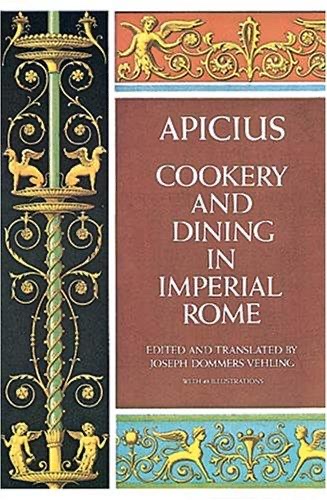
Cover of De Re Coquinaria

De Re Coquinaria

*Apicius*

2 ideas

  1. Recipes often omit quantities, assuming cooking skill

    Many recipes list ingredients and sequence but leave out measures, times, and temperatures, relying on the cook to supply them, though some, like the opening spiced wine and the rose wine, do give measures, heat, or durations. The gaps suggest an audience expected to bring practical skill, though why the recipes were written this way is inferred rather than stated.

  2. Fermented fish sauce as universal seasoning

    Roman cooking relied on garum or liquamen, a salty, savory liquid made by fermenting fish, as the default seasoning in sweet and savory dishes alike. It worked as a single concentrated source of salt and umami, much as soy sauce or Southeast Asian fish sauce does in other cuisines.

Save and mark ideas in the app