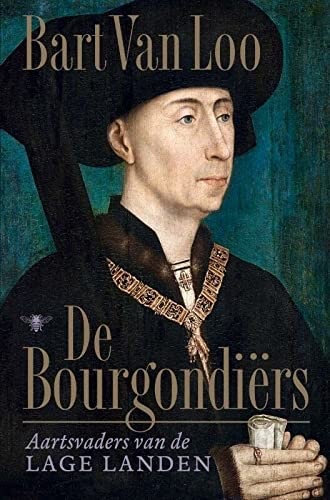
Cover of De Bourgondiërs

De Bourgondiërs

Bart Van Loo

4 ideas

  1. Marriage, inheritance and war assembled the Burgundian lands

    Philip the Bold's 1369 marriage to Margaret of Male brought Flanders and Artois, and inheritance brought Brabant into the family, while Holland, Zeeland and Hainaut came only after wars against Jacqueline of Bavaria forced her to surrender her rights in 1433. By these combined means a patchwork of separate counties and duchies came to share a single ruler.

  2. Court splendor as a tool of rule

    The Burgundian feasts, tournaments, tapestries, patronage of painters like Jan van Eyck, and the Order of the Golden Fleece served the dukes' political aims as well as their tastes. The Golden Fleece bound nobles personally to Philip, and display helped dukes without a royal crown impress rivals and advance their pursuit of royal standing.

  3. Charles the Bold's overreach and death at Nancy

    Charles the Bold pursued a royal crown and a continuous territory linking his northern and southern lands. He lost to the Swiss at Grandson and Murten in 1476 and was killed at Nancy in January 1477, and his body was found frozen and stripped in the ice days later. His only heir, Mary of Burgundy, had to grant the Great Privilege to the rebellious estates and married Maximilian of Habsburg, which carried the Burgundian inheritance into the Habsburg empire.

  4. Centralizing princes versus privileged merchant cities

    The dukes kept trying to impose central institutions, taxes and courts on rich, self-governing cities such as Ghent and Bruges, which defended their charters and privileges through revolt. Each duke's power rose or fell with his ability to extract money from these urban economies without provoking them into open rebellion. That tension between prince and cities drove much of the region's political history.

Save and mark ideas in the app