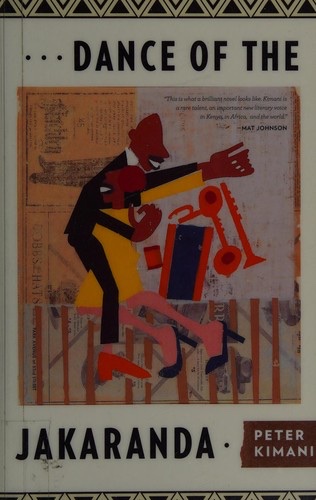
Cover of Dance of the Jakaranda

Dance of the Jakaranda

Peter Kimani

3 ideas

  1. The railway built the nation, not reverse

    Kenya did not come before the Uganda Railway. The colony was assembled along the line, with towns, settlers, labor migrations and borders taking shape around its stations and route. A single piece of imperial infrastructure therefore set the demographic and political shape of the country that later claimed independence from the empire that built it.

  2. Indian railway workers outside the national story

    Tens of thousands of Indian laborers were brought in under indenture to build the railway, subject to British colonial rule like Africans but placed differently within it. On the eve of independence, the novel shows their descendants' belonging as uncertain, because the national story is told in black and white, as a contest between British rulers and African ruled.

  3. National history read as concealed family lineage

    This lens treats colonial history as a set of hidden intimacies and mixed bloodlines, not a clean story of oppressor and oppressed. The empire's legacy lives on in who fathered whom and what was kept quiet. Independence cannot be a clean break, because the new nation's people are already the tangled offspring of the colonial encounter.

Save and mark ideas in the app