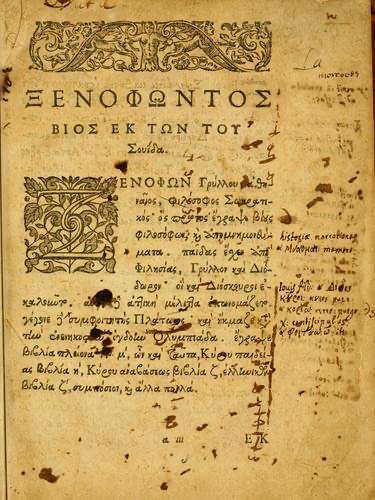
Cover of Cyropaedia

Cyropaedia

Xenophon

4 ideas

  1. Willing obedience beats compelled obedience

    Xenophon argues that ruling humans is harder than herding animals because people conspire against rulers they merely fear, yet Cyrus ruled many nations who obeyed him willingly. The mechanism is that subjects obey most readily someone they believe understands their interests better than they do and is actively working to secure them. Once that belief is in place, obedience is sustained without constant coercion.

  2. Differential rewards to make virtue competitive

    Cyrus deliberately ranks and rewards subordinates unequally according to merit, not equally by status. Honors, gifts and promotions are distributed in public so that every soldier can see exactly what earns advancement. This turns excellence into a competition that subordinates enforce on themselves, instead of a duty the leader has to police.

  3. Rule as a performance of visibility

    Once in power, Cyrus manages how he is seen as carefully as what he does, and he sets himself up as a visible model whose conduct the court copies. He also uses staged magnificence, distance, gift-giving and a network of 'eyes and ears' to shape what subjects perceive. The lens: authority rests on the visible example and on controlled appearance as much as on force or law.

  4. Cyrus's generosity turns rivals into dependents

    After his conquests Cyrus gives away his wealth freely, and Croesus warns him that he is squandering what he could have hoarded. Cyrus answers by asking his friends to say what they could contribute, and they pledge far more than Croesus had advised him to keep. His point is that treasure placed with loyal friends is safer and grows more than treasure locked away, and that gifts bind the leading men to the king rather than to one another.

Save and mark ideas in the app