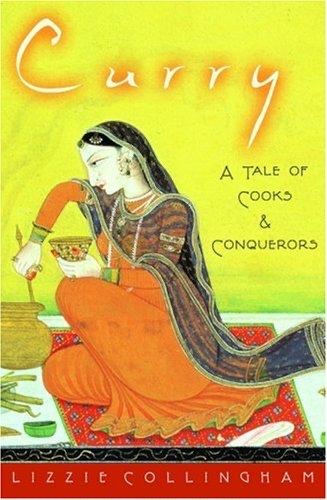
Cover of Curry

Curry

Lizzie Collingham

4 ideas

  1. Vindaloo began as Portuguese garlic-wine pork

    Vindaloo began as the Portuguese dish carne de vinha d'alhos, meat preserved in wine vinegar and garlic, which settlers brought to Goa. Goan cooks swapped wine vinegar for palm vinegar and added tamarind, local spices and American chillies. The result was a dish now treated as quintessentially Indian that was really a colonial preservation technique absorbed and transformed by local cooks.

  2. Curry is a British category, not Indian

    Indians had no single dish or concept called curry. They cooked distinct regional preparations with their own names, techniques and spice logic. The British lumped these into one generic category of spiced stew with sauce, and later codified it as curry powder, so the idea of curry is a colonial simplification of a diversity the colonizers did not need to understand.

  3. Authentic national cuisine as layered conquest

    Read a national cuisine as sediment deposited by invaders and traders, not as an ancient, fixed tradition. Indian food combines Mughal and Persian court cooking, ingredients from the Americas carried by the Portuguese such as chillies, potatoes and tomatoes, and British adaptations.

  4. Bangladeshi restaurateurs invented British curry house

    Most 'Indian' restaurants in Britain were founded and run by migrants from Sylhet, in what is now Bangladesh, many descended from ships' lascars. They built a standardized menu for British tastes, with dishes graded by heat, a common base sauce, and inventions like chicken tikka masala. That menu bore little relation to home cooking in any region of the subcontinent, and it became Britain's idea of Indian food.

Save and mark ideas in the app