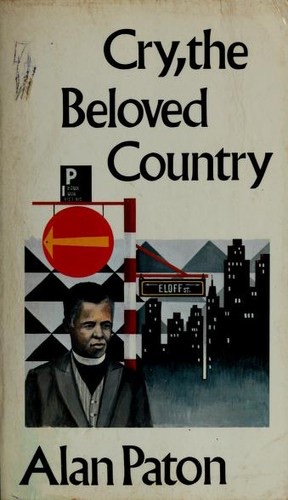
Cover of Cry, the Beloved Country

Cry, the Beloved Country

Alan Paton

4 ideas

  1. Priest's son murders the white reformer

    Stephen Kumalo, a Zulu Anglican priest from impoverished Ndotsheni in Natal, travels to Johannesburg to find his son Absalom and finds him jailed for shooting Arthur Jarvis during a botched burglary; Arthur was a white advocate for black South Africans and the son of James Jarvis, a white farmer from the hills above Kumalo's valley. Absalom is sentenced to hang. The grieving fathers later meet, and Jarvis, having read his dead son's writings, funds a dam, milk for the children and an agricultural demonstrator to restore Ndotsheni.

  2. Broken tribal order breeds urban crime

    The novel argues that crime among black Johannesburg migrants comes from the destruction of the tribal system, which white society dismantled without building anything to replace it. Once the land is exhausted and the young leave for mines and cities, the moral structure that governed them collapses, so punishing individual offenders cannot fix what is a manufactured social breakdown. Arthur Jarvis's manuscript states this directly, and Absalom's path from village to shantytown to murder dramatizes it.

  3. Soil erosion mirrors human and moral decay

    Paton reads the eroding, overgrazed hills of Ndotsheni as a picture of the society's collapse: when the land is not kept and cared for, it cannot keep people, and the people it cannot keep scatter and are lost. Seen this way, soil conservation, the dam and farming instruction are moral acts, and restoring the ecological base is a precondition for restoring families and community.

  4. Fear as the root of racial injustice

    Msimangu's line 'I have one great fear in my heart, that one day when they are turned to loving, they will find we are turned to hating' names the mechanism the book traces: white fear of black advancement produces repressive policy, and that repression produces the resentment the fearful expected. Fear stands in the way of the love the book offers as the only exit, so the tragedy is a self-fulfilling cycle that personal forgiveness can interrupt but not end on its own.

Save and mark ideas in the app