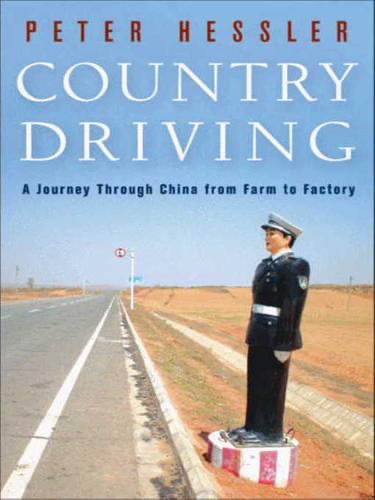
Cover of Country Driving

Country Driving

Peter Hessler

4 ideas

  1. Learning to drive from a manual

    Chinese driving school taught novices through rote test preparation, and aggressive road habits were learned from other drivers, so an entire nation acquired driving norms within a single generation without inherited road culture. Behaviors like honking constantly, driving on shoulders, and ignoring lanes reflect a population where almost nobody's parents drove, so rules existed on paper but instincts had no time to form.

  2. Village transformed by a paved road

    When a road connected the village of Sancha to Beijing, weekend tourists and city money arrived. A household like the Wei family shifted from farming walnuts to running a restaurant and joining the Party. Infrastructure reorganized livelihoods, family roles, and ambitions faster than the villagers' own values could adjust, pulling the countryside into the urban economy without anyone relocating.

  3. Factory town built around one component

    In Lishui, Zhejiang, Hessler followed a factory making the small rings that hold bra straps. Workers and owners improvised everything from machinery to pricing, and the operation was built on migrants who changed jobs constantly.

  4. Maps as statements of aspiration

    Chinese road maps of the period showed highways that did not yet exist and omitted roads that did, because they depicted plans and intended futures as much as present reality. Reading official representations as declarations of where the state is heading, rather than descriptions of what is, explains the gap travelers encounter between the document and the ground.

Save and mark ideas in the app