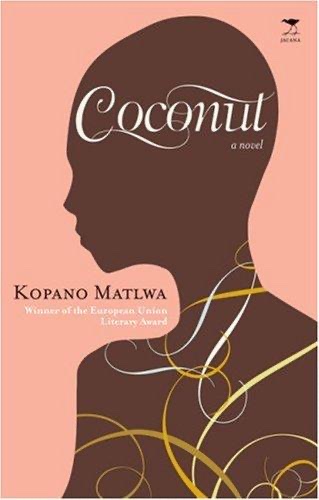
Cover of Coconut

Coconut

Kopano Matlwa

3 ideas

  1. Ofilwe and Fikile, two sides

    Ofilwe Tlou grows up in a newly wealthy Black family in Johannesburg's formerly white suburbs, attends white-dominated schools, and can no longer speak Sepedi properly. Fikile lives with her uncle in a township, works as a waitress at a suburban café, and runs a deliberate project to remake herself as white and English-speaking. Their lives touch briefly when Ofilwe's family eats at the café where Fikile serves them, so one girl assimilates by inheritance while the other longs to do so by effort.

  2. Coconut: black outside, white inside

    'Coconut' is a South African slur for a Black person who is seen as culturally white inside, marked by an English accent, suburban tastes and loss of the mother tongue. The label gets enforced from both sides: white peers never fully admit the person, and Black peers read the assimilation as betrayal. Someone called a coconut is therefore left without full membership in either group.

  3. Losing the mother tongue severs lineage

    When a child's English displaces her home language, the loss is not just a skill. It cuts off intimacy with grandparents, religious and family ritual, and the inner life of her own community, leaving her a guest among her own people. Meanwhile an English accent works as currency that opens doors in the post-apartheid economy, so parents pay for mobility with their children's belonging.

Save and mark ideas in the app