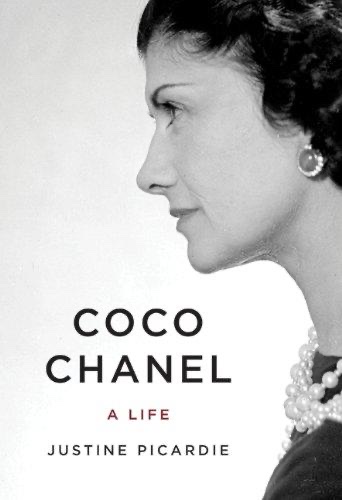
Cover of Coco Chanel: The Legend and the Life

Coco Chanel: The Legend and the Life

Justine Picardie

4 ideas

  1. Aubazine orphanage as Chanel's hidden design source

    After her mother died in 1895, Gabrielle Chanel's father left her at the orphanage in the Cistercian abbey of Aubazine, run by nuns. Picardie traces her signature austerity to the convent: the black-and-white habits, bare scrubbed interiors, and the interlocking curves in the abbey's windows, which she offers as a possible origin of the double-C logo. Chanel spent her life concealing the orphanage, which makes the aesthetic debt a case of suppressed origins resurfacing as style.

  2. Self-mythologizing as part of the work

    Chanel repeatedly rewrote her biography, lying about her age, recasting the orphanage as a stay with stern, unloving aunts, and giving different confidants contradictory versions. Picardie connects these inventions to the commercial legend: the persona of a self-made, unsentimental modern woman helped sell the clothes, so the legend and the brand drew on the same material.

  3. Reading a life through its objects

    Picardie treats garments, rooms, and possessions as primary biographical evidence alongside letters and testimony. The objects include the tweed suits, the camellias, the No. 5 bottle, and the coromandel screens and mirrors of the rue Cambon apartment. Where a subject lies about her past, the things she made and kept repeatedly reveal what she concealed, such as grief for Boy Capel, who financed her first shops and died in 1919, or the convent's imprint.

  4. Watching shows unseen from the staircase

    At 31 rue Cambon, Chanel watched her collections from the mirrored staircase, seated on the fifth step below the top, where she could see the salon and the audience's reactions without being seen. Picardie presents the vantage point as a way of watching the show while staying out of view.

Save and mark ideas in the app