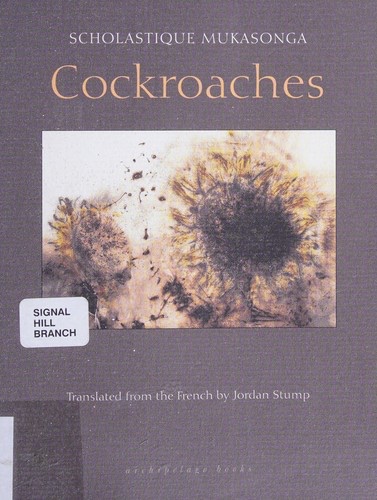
Cover of Cockroaches

Cockroaches

Scholastique Mukasonga

4 ideas

  1. Deportation to Nyamata, then extermination

    In 1960 Mukasonga's Tutsi family was forcibly moved from Gikongoro to Nyamata in the Bugesera, a malarial, tsetse-infested region where Tutsi displaced by the 1959 pogroms were concentrated under army surveillance. For decades they endured raids, school exclusion, and ethnic ID checks there. In the 1994 genocide she lost her parents and dozens of relatives (the book names 37), while she survived only because she had been forced into exile in 1973 and was living in France.

  2. The cockroach label as sustained degradation

    Tutsi were called 'inyenzi' (cockroaches), a word that recast Mukasonga's family and neighbors as vermin rather than people. The book shows the label in use for decades before 1994, part of the everyday humiliation her family lived under long before the killings.

  3. Genocide as decades-long escalation, not event

    Viewed from inside one family's life, 1994 is the end point of a 35-year process rather than a sudden eruption. Relocation, ethnic identity cards, school quotas, periodic massacres, and routine military humiliation each normalized the next step. Seen this way, the warning signs are not hidden precursors but the ongoing administrative ordinariness of persecution itself.

  4. The written name as substitute grave

    When victims are dumped in mass graves or never found, the survivor cannot perform the burial rites owed to the dead, such as Mukasonga covering her mother's body as her mother had asked. Listing each murdered relative by name in a book creates a portable tomb that restores individuality the killers tried to erase. The survivor's obligation is to carry that memory, a duty her parents deliberately prepared her for by pushing her toward education and escape.

Save and mark ideas in the app