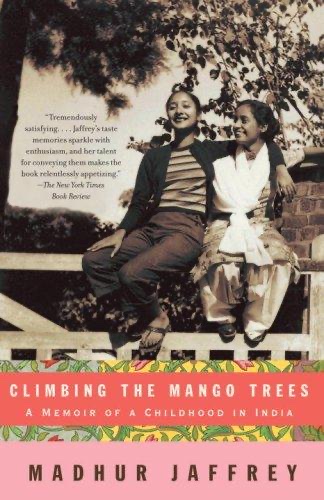
Caste-community cuisine records a political history
The family belonged to the Kayastha community, whose members had long served as scribes and administrators at Mughal and later courts, and their everyday cooking shows it. They ate meat, cooked Persianate dishes such as kebabs, kormas and pulaos alongside Hindu vegetarian dishes, and borrowed court-derived technique. A community's ordinary table can preserve centuries of service, accommodation and cultural blending that formal histories flatten into separate Hindu and Muslim traditions.