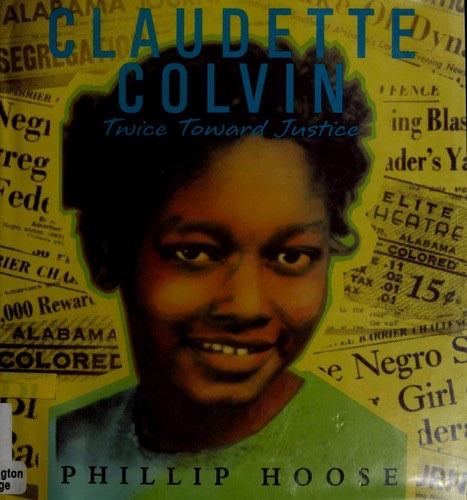
Cover of Claudette Colvin: Twice Toward Justice

Claudette Colvin: Twice Toward Justice

Phillip Hoose

4 ideas

  1. Colvin's March 1955 bus arrest

    On March 2, 1955, fifteen-year-old Claudette Colvin refused a driver's order to give up her seat to a white passenger on a Montgomery city bus, saying it was her constitutional right. Police dragged her off the bus, handcuffed her, and jailed her. That was nine months before Rosa Parks's arrest.

  2. Movements choose symbols for respectability, not precedence

    Montgomery's Black leaders declined to build a mass protest around Colvin because they judged her an unreliable public face. She was a dark-skinned, working-class teenager said to be combative, and she soon became pregnant while unmarried. They waited for Rosa Parks, an adult of respected standing whom opponents would find harder to discredit. Who gets remembered as the origin of a movement depends on strategic image management as much as on who acted first.

  3. Litigation as the quieter decisive front

    The Montgomery bus boycott is remembered as the victory, but bus segregation legally ended through Browder v. Gayle. In that federal suit Colvin testified as a plaintiff, and the Supreme Court upheld the ruling in November 1956. Looking at the courtroom rather than the street shows that mass protest created pressure while the less visible legal case delivered the binding outcome.

  4. Early actors bear costs without recognition

    Colvin's defiance helped mobilize organizers and supplied legal groundwork. Afterward she faced ostracism at school and in her community, left Montgomery, and lived in obscurity for decades. Individuals who act before a movement coalesces often absorb the social punishment for breaking a norm, while the credit goes to those who act once institutions are ready to amplify them.

Save and mark ideas in the app