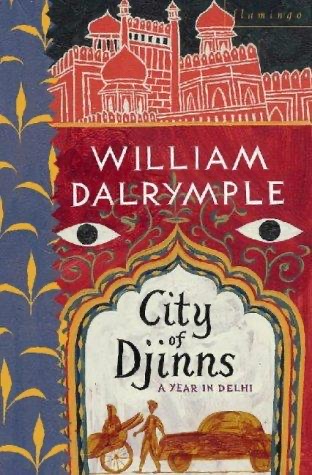
Cover of City of Djinns

City of Djinns

William Dalrymple

4 ideas

  1. Delhi as a city of djinns

    Dalrymple frames the book around an idea from the Sufi Pir Sadr-ud-Din: Delhi keeps rising again after each destruction because the djinns love the place too much to abandon it. He presents the city as a series of ruined and rebuilt cities rather than one continuous one, in which remnants of earlier orders still survive among the newcomers.

  2. Mrs Puri and the Punjabi refugee transformation

    Dalrymple's landlady, Mrs Puri, was a Sikh refugee from Lahore who fled at Partition in 1947 with almost nothing. She rebuilt her life through thrift, business and property. She stands for the hundreds of thousands of Punjabi refugees who replaced Delhi's departing Muslim elite. Their energy remade a slow, courtly Mughal-Urdu city into a brash, commercial, upwardly mobile Punjabi one within a single generation.

  3. Reading the past through living survivals

    Dalrymple traces Delhi's layers through the people and practices that still carry them, not only through texts. Examples include the hijras, who see themselves as heirs of the Mughal court eunuchs, the ageing Urdu-speaking gentry of Old Delhi, and an archaeologist linking Painted Grey Ware at the Purana Qila to the Mahabharata's Indraprastha. These living communities show that eras thought to be over still persist in the present, some of them, like the old Urdu gentry, in a fading form.

  4. Early British Delhi was culturally hybrid

    Dalrymple argues that the early East India Company men in Delhi often went native. Figures such as William Fraser and David Ochterlony took Indian wives, adopted Mughal dress and customs, and patronised Persian and Urdu culture. This openness hardened into racial separation and evangelical contempt in the Victorian period. The rupture of 1857 completed the change, so the rigid Raj people remember was a late development, not the original shape of the encounter.

Save and mark ideas in the app