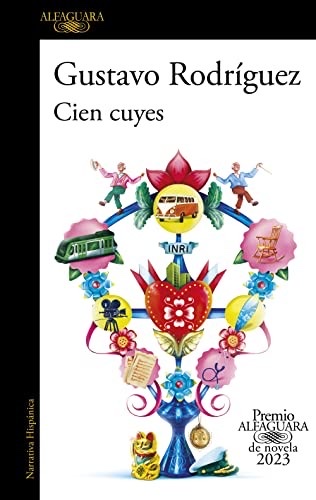
Cover of Cien cuyes

Cien cuyes

Gustavo Rodríguez

3 ideas

  1. Care workers hold intimacy without power

    Paid caregivers gain the deepest access to their employers' bodies, fears and final wishes. They remain economically precarious and socially subordinate. That asymmetry makes them the people the dying confide in and the people who bear the legal and moral exposure when a wish is carried out.

  2. Eufrasia's mercy is tangled with money

    In the novel, Eufrasia's help to her clients cannot be sorted cleanly into compassion or self-interest, because the payment she stands to receive is bound up with the deaths she is asked to assist. Reading her choices through this entanglement shows how her financial need shapes what she does. Judging her by the standard of pure motives would leave out the circumstances she is working within.

  3. Choosing death reclaims autonomy lost to aging

    For elderly people whose bodies, finances and daily routines are increasingly managed by others, deciding the time and manner of death becomes one of the few choices left to them. The request to die is therefore less a rejection of life than an attempt to author its ending. It is made in a society where legal routes to do so are largely closed.

Save and mark ideas in the app