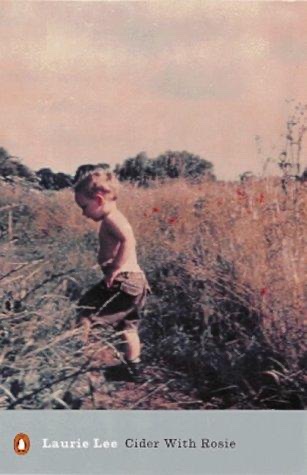
Cover of Cider with Rosie

Cider with Rosie

Laurie Lee

4 ideas

  1. Motor car ended a thousand-year village

    Slad's way of life had stayed largely unchanged for centuries because the village was bounded by the pace of a horse. Lee argues that his generation saw that world end almost overnight in the 1920s, when buses, bicycles and motor cars broke the valley's isolation. Once people could leave easily, the self-contained web of feuds, customs, songs and loyalties began to dissolve.

  2. The returned emigrant killed in the snow

    A local man came back to Slad from the colonies and boasted of his wealth in the pub. Some of the village's young men beat him on his way home and left him to die in the snow. The whole village knew who had done it, yet no one spoke, and the killing went officially unsolved.

  3. Annie Lee's crowded, disordered household

    Lee's father left for London and never came back, and his mother Annie raised her own children along with her stepchildren, Laurie's older half-siblings, in a crowded cottage full of clutter, half-finished meals and scraps of culture. She went on hoping for years that her husband would return. Lee portrays her disorder and generosity as the defining atmosphere of the home he grew up in.

  4. Memory rendered through a child's senses

    Lee builds the past from a child's scale and senses: grass taller than he was, smells, light, and the shock of first experiences. He cautions that time may have distorted some remembered facts, so the book reads less as an exact record than as childhood recalled through feeling and sensation.

Save and mark ideas in the app