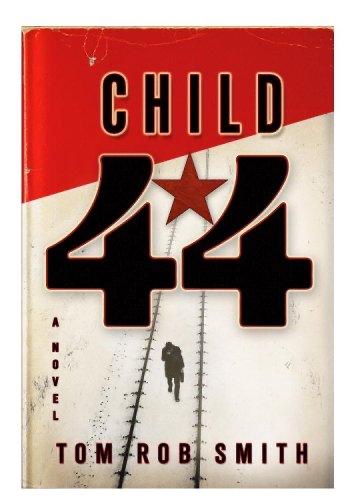
Cover of Child 44

Child 44

Tom Rob Smith

4 ideas

  1. An officer sent to deny a murder

    In 1953 MGB officer Leo Demidov is ordered to tell a colleague's grieving family that their son Arkady, found dead by the railway tracks, died in an accident. Later, demoted to a provincial militia post, he finds another child killed in a similar way and begins tracing a pattern of such murders. He has to pursue it outside the law, against the state he once served.

  2. Ideology that forbids a crime cannot detect it

    When a regime declares that some crime cannot exist under its system, every instance has to be recoded as an accident or as the act of a designated deviant, such as a foreigner, a homosexual, the mentally ill or a political enemy. Investigators are rewarded for producing a culprit who fits the ideology, not the true one. The real offender therefore operates freely inside the blind spot the doctrine creates. The more certain the official story, the more invisible the pattern becomes.

  3. Denunciation as a loyalty test

    In a terror state, loyalty is proven by producing accusations, not by being innocent. An officer shows he is reliable by being willing to hand over someone close to him, even his own spouse, whatever the evidence. Because refusing to denounce is itself read as guilt, the system manufactures a steady supply of enemies. It also turns the people who run it into its future victims.

  4. Fear can counterfeit intimacy and consent

    Under state terror, affection and agreement may not be what they seem. Raisa reveals she married Leo partly because refusing a powerful secret-police officer felt dangerous, so what he took for love was partly self-protection. In their case, a more honest trust begins to grow only after his exile strips him of that power.

Save and mark ideas in the app