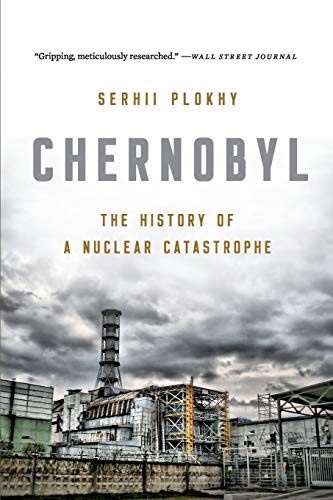
Cover of Chernobyl: History of a Tragedy

Chernobyl: History of a Tragedy

Serhii Plokhy

4 ideas

  1. The turbine test that detonated Reactor Four

    On 26 April 1986 operators at Chernobyl's Unit 4 ran a delayed safety test of turbine run-down power, operating the RBMK reactor at unstable low power with most control rods withdrawn to meet the schedule. When they pressed the emergency shutdown button, the graphite-tipped rods briefly spiked reactivity, a known design flaw the designers had not disclosed to operators, and the reactor exploded. Soviet authorities then blamed the operators alone, protecting the design institutes and the ministry behind them.

  2. Secrecy converts technical flaws into catastrophes

    A system that classifies prior accidents and design weaknesses as state secrets prevents operators from learning the failure modes of the machines they run. Earlier RBMK incidents, such as the 1975 Leningrad event, were hidden, so the knowledge that would have prevented Chernobyl existed but could not reach the control room.

  3. Plan fulfillment overrides safety in command economies

    When managers are judged on meeting production quotas and deadlines set from above, safety procedures become obstacles to be bypassed rather than constraints to be honored. Chernobyl's rushed construction, its postponed and improvised test, and the pressure to keep the grid supplied all reflect incentives that rewarded reported output over actual risk.

  4. The cover-up discredited the Soviet state

    The regime's delay in evacuating Pripyat and its May Day parades in irradiated Kyiv showed citizens that Moscow would sacrifice their health to protect its image, even under Gorbachev's glasnost. The resulting anger fueled Ukrainian environmental and national movements, making Chernobyl a direct contributor to the Soviet Union's collapse five years later.

Save and mark ideas in the app