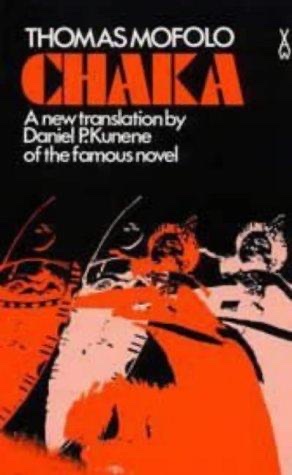
Cover of Chaka

Chaka

Thomas Mofolo

4 ideas

  1. Chaka kills Noliwe to buy kingship

    The diviner Isanusi tells Chaka that the medicines securing his kingship require the blood of the person he loves most. Chaka chooses to kill Noliwe, the woman he loves and the sister of his patron Dingiswayo, by his own hand, and so trades love for power. From then on he kills more and more people, including his soldiers' mothers and his own mother, Nandi. He is finally stabbed by his half-brothers Dingana and Mhlangana, and Isanusi returns only to collect what he is owed.

  2. Killing Noliwe opens the way to more

    In the novel, the killing of Noliwe marks a turning point after which Chaka's killings multiply and seem less and less tied to any clear purpose. His conscience is worn down rather than erased: late in the story he is troubled by remorse and tormenting visions, but these do not stop him from killing.

  3. The tempter who only amplifies existing desire

    Isanusi does not force anything on Chaka. At each step he states the price and asks whether Chaka will pay it, so the diviner works as an outer voice for an ambition Chaka already has. The medicines and the pact make his will stronger but do not replace it, so the moral responsibility stays with the one who chooses.

  4. Early humiliation as the seed of tyranny

    Chaka starts out as an illegitimate son. His father's household rejects him, and other boys and his half-brothers persecute him. Out of this he develops a resolve to answer injustice with overwhelming force. The novel traces his later cruelty back to these wounds but refuses to let them excuse him. Suffering explains the appetite for domination, and the choice to feed that appetite remains his own.

Save and mark ideas in the app