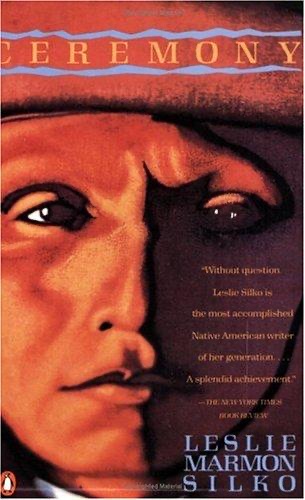
Cover of Ceremony

Ceremony

Leslie Marmon Silko

4 ideas

  1. Tayo's healing through Betonie's altered ceremony

    Tayo, a mixed-blood Laguna veteran, comes home from the Pacific war sick, vomiting and blaming himself for a drought he thinks he caused by cursing the jungle rain. The old Laguna medicine man Ku'oosh's traditional Scalp Ceremony fails to heal him. The Navajo healer Betonie, who lives in a hogan full of calendars, phone books and Coke bottles beside the Gallup dump, then gives him a changed ceremony that sends Tayo out to recover his uncle Josiah's lost spotted cattle, to meet the woman Ts'eh, and at last to refuse to take part in violence at the uranium mine, which completes the cure.

  2. Rituals must change or they die

    Betonie argues that ceremonies have always been changed by healers to meet new conditions, and that holding them fixed out of fear serves the destroying forces. A ritual built for pre-contact wounds cannot heal harms made by atomic weapons, mechanized war and racism, so fidelity to a tradition means keeping its function alive, not freezing its form. A tradition that cannot absorb new material stops working.

  3. Illness as a disordered story, not just a personal wound

    Tayo's sickness is treated not as a private psychological disorder but as a sign that he is caught inside a destructive story shared by his community and the world. Healing therefore means finding his place in a larger pattern and ending that story differently, not only relieving his symptoms. Seen this way, trauma belongs to the relationships and narratives a person carries, and the cure is to re-author those narratives.

  4. Witchery draws victims into reactive violence

    In the novel, a story told by Native witches sets loose the destruction brought by white people, while witchery itself already existed, so whites are not cast as its sole source. Witchery works by pulling people into acting out its story of hatred and violence, and Tayo breaks that pattern by refusing to kill Emo, since answering in kind would have completed witchery's ceremony rather than his own.

Save and mark ideas in the app