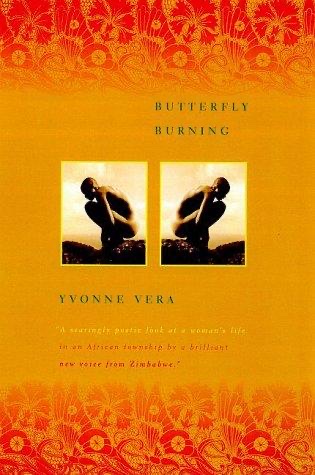
Cover of Butterfly Burning

Butterfly Burning

Yvonne Vera

3 ideas

  1. Phephelaphi's nursing hope and self-immolation

    In Makokoba township, Bulawayo, Phephelaphi meets the older labourer Fumbatha in 1946 and comes to live with him. By 1948 she has been accepted to train among the first Black nurses in colonial Rhodesia, but she has already induced one abortion alone and then becomes pregnant again, which bars her from the training. She sets herself on fire while carrying the child.

  2. The builders who cannot belong

    The colonial city is read through the Black bodies that physically make it: men who cut its grass, lay its bricks and mix its concrete, yet are confined to townships and can be removed, beaten or hanged. Fumbatha builds Bulawayo on the same ground where his father was hanged after the 1896 uprising. Labour becomes a form of intimacy with a place that refuses the labourer, and that makes the city a record of both his exploitation and his endurance.

  3. Love as holding versus letting become

    Fumbatha's love is possessive and protective. He wants to hold Phephelaphi and to be the whole of her world. Her ambition to become a nurse depends on having a self that exists apart from him. Because his need to keep her and her need to become someone else cannot be reconciled, she hides her choices from him, and the secrecy and isolation turn a tender relationship into another form of enclosure.

Save and mark ideas in the app