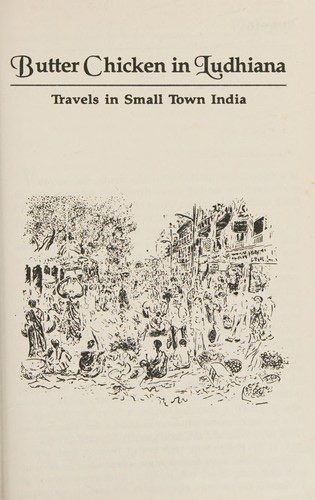
Cover of Butter Chicken in Ludhiana

Butter Chicken in Ludhiana

Pankaj Mishra

4 ideas

  1. Ludhiana's new rich and conspicuous consumption

    In the early 1990s Mishra visits Ludhiana, a Punjabi industrial boomtown grown rich on hosiery and bicycle manufacturing, and finds a newly moneyed class whose wealth has outrun any settled culture to hold it. Status there is performed through imported cars, lavish weddings, satellite television and heavy restaurant meals like the butter chicken of the title. It serves as a concrete case of prosperity arriving faster than the social forms that would give it meaning.

  2. Aspiration arrives before opportunity does

    Liberalisation reached small-town India first as images of consumer life, carried by satellite TV, advertising and metropolitan magazines, and only later, if at all, as jobs and infrastructure. The result is a widening gap between what people have been taught to want and what their towns can deliver. That gap produces restlessness, resentment and a sense of being left behind rather than contentment.

  3. Small towns as secondhand modernity

    View the small town as a place that receives modernity already packaged by the metropolis and the West and copies its surfaces without its underlying institutions. Through this lens, brash manners, English-medium pretensions and imitative fashions look less like progress or decline and more like improvisation by people assembling a modern identity from fragments. The rudeness and status anxiety Mishra records follow from insecurity about imitating a model one does not fully possess.

  4. New money reinforces old hierarchy

    Economic change in these towns did not dissolve caste, communal and class hierarchies. It gave them new resources and new vehicles.

Save and mark ideas in the app