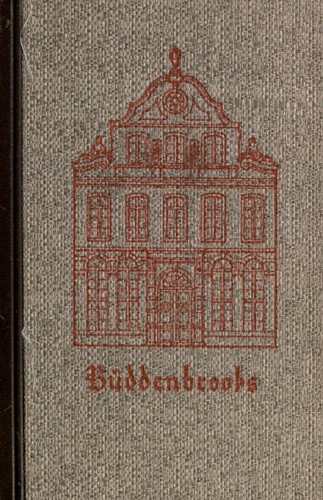
Cover of Buddenbrooks

Buddenbrooks

Thomas Mann

4 ideas

  1. Outward splendour arriving after inner decline

    Thomas Buddenbrook reflects that the outward signs of a family's rise, its fine houses and honours, often appear only after the inner vitality behind them has begun to fail, as the light of a distant star reaches us after the star has gone out. His grand new house on Fischergrube and his election as senator come as his own commercial nerve and stamina start to give way. The book frames this as a delay in visibility, not as display adopted to make up for lost substance.

  2. Refinement as the solvent of vigour

    Each generation gains in self-awareness, sensitivity and aesthetic capacity exactly as it loses the unreflective drive that built the fortune. The more a person reflects on the role they must play, the less naturally they can play it. On this reading, cultivation is not a reward of success but the mechanism by which success dissolves.

  3. Hanno's double line in the genealogy

    Hanno, the frail, musical last male heir, draws a neat double line under his own name in the family genealogy book, saying 'I thought there was nothing more to come.' He cannot face school or the firm and loses himself in improvisation at the piano; he dies of typhoid at sixteen, after the firm has been liquidated following his father's death, and the family line ends with him. The book presents the scene without spelling out what it means, leaving the gesture's significance to the reader.

  4. Performed duty that hollows out its performer

    Thomas Buddenbrook keeps up an immaculate public self, changing clothes several times a day and maintaining a composed, competent face, long after he has privately lost his belief in the business and himself. The unbroken effort of self-presentation consumes the energy that real enterprise would need, so the role outlives the man inside it. He collapses in the street and dies after a botched tooth extraction, exhausted at forty-eight.

Save and mark ideas in the app