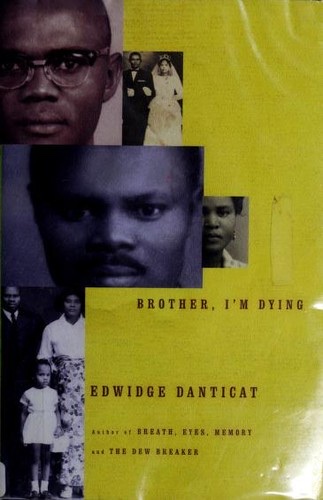
Cover of Brother, I'm Dying

Brother, I'm Dying

Edwidge Danticat

4 ideas

  1. Joseph Dantica's death in immigration custody

    In October 2004, gangs in Bel Air, Port-au-Prince, threatened to kill Joseph Dantica, an 81-year-old Baptist pastor, after a UN and Haitian police operation used his church compound. They then looted and burned it. He fled to Miami on a valid visa and asked for temporary asylum at the airport, and was detained at the Krome detention center with his medications taken from him. He fell violently ill during his credible-fear interview, a medic suggested he was faking, and he died days later at Jackson Memorial Hospital while still in immigration custody.

  2. Asylum treatment follows nationality, not danger

    US policy routinely detained Haitian asylum seekers while Cubans reaching US soil were generally admitted. Whether a frightened elderly man was released to family or jailed therefore depended on his passport, not on the threat he fled. The system's presumption that Haitians were economic migrants turned a credible claim of persecution into grounds for suspicion.

  3. Staggered migration gave Danticat two fathers

    Danticat's parents left for New York first and sent for her years later, once papers and money allowed, so from about age four to twelve she was raised by her uncle Joseph in Haiti. The memoir shows her growing up with two father figures, one in each country, and holding deep love for both the father who left and the uncle who stayed.

  4. Writing as voice for the silenced

    Joseph lost his larynx to cancer and spoke through a voice box, and in detention his words were disbelieved. His literal voicelessness mirrors the political voicelessness of people processed by the state. Read this way, the memoir works as delayed testimony: the writer reconstructs from records and family memory the account the institutions refused to hear, so that the dead are not left with only the official version of their deaths.

Save and mark ideas in the app