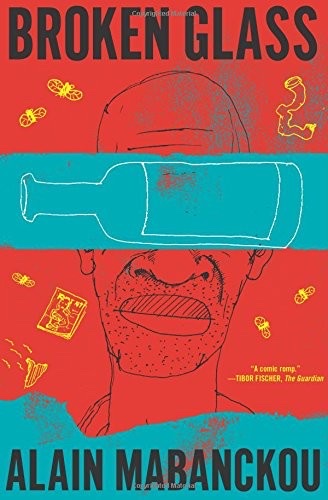
Cover of Broken Glass

Broken Glass

Alain Mabanckou

4 ideas

  1. Disgraced teacher commissioned to chronicle a bar

    In Pointe-Noire, the owner of a bar called Credit Gone West gives a notebook to a regular nicknamed Broken Glass, a schoolteacher sacked for drinking whose wife has left him, and asks him to write the bar's history. Regulars press their stories on him, among them a man who wears diapers after a brutal prison stay and a printer who returned from France ruined. As the notebook fills, Broken Glass's own collapse surfaces through the others' tales, and the chronicler turns out to be the case study.

  2. The comma-strewn sentence as barroom speech

    The book is written almost entirely without full stops, as one long comma-linked sentence that echoes the rhythms of Congolese speech and lets one regular's voice run into the next. The form keeps the testimony flowing, but it is not neutral: Broken Glass breaks in to mock, question and dispute the stories he is recording.

  3. The bar as counter-archive of the marginal

    The owner wants the bar's history written so that it will outlast the officials, church people and respectable neighbours who want it shut down. The notebook works as an archive of people official history ignores, keeping their humiliations on record instead of letting them be erased. Whoever holds the pen decides which lives count as history.

  4. Humiliation stories as the drinker's currency

    Each regular tells his downfall as a performance in which he is the wronged party, betrayed by a spouse, the state or foreigners. Telling the story buys an audience and a kind of dignity that the life itself no longer provides. Self-justifying narration becomes a way to survive ruin, and the listener who records it takes on the role of judge whether he wants it or not.

Save and mark ideas in the app