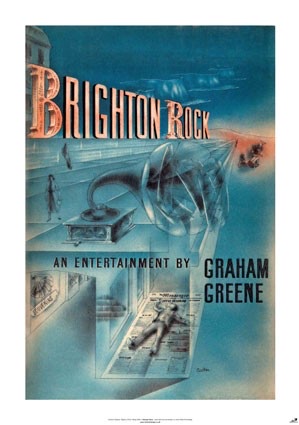
Cover of Brighton Rock

Brighton Rock

Graham Greene

4 ideas

  1. Pinkie marries Rose to silence her

    Rose, a waitress, can expose the gang's alibi for Fred Hale's killing. Pinkie marries her because he believes a wife cannot be made to give evidence against her husband. The marriage is a calculated way to keep one witness quiet, not an act of love.

  2. Right and wrong versus good and evil

    Ida Arnold works by a secular, sociable ethic of right and wrong: fair play, having a good time, and seeing the wronged man avenged. Pinkie and Rose, both Catholics, think in terms of good and evil, salvation and damnation, and they see Ida's decency as shallow. The novel sets these two moral vocabularies against each other. It suggests that a person with a metaphysical sense of sin can be more corrupt than a secular moralist, yet closer to grace.

  3. The priest questions certainty about damnation

    Rose assumes Pinkie is damned and wishes she had shared his fate. The priest who hears her confession tells her that no one can grasp 'the appalling strangeness of the mercy of God.' His answer challenges anyone's claim to know for certain who is damned.

  4. Cover-ups force escalating crimes

    Each act Pinkie takes to hide the first killing creates new witnesses and new risks. He murders Spicer, marries Rose, and plans her death, and each step binds him to more people who could betray him. Seen this way, a concealed crime leads the criminal to widen the circle of harm, because that is the only way to keep the original secret. It also draws in the very scrutiny he is trying to avoid.

Save and mark ideas in the app