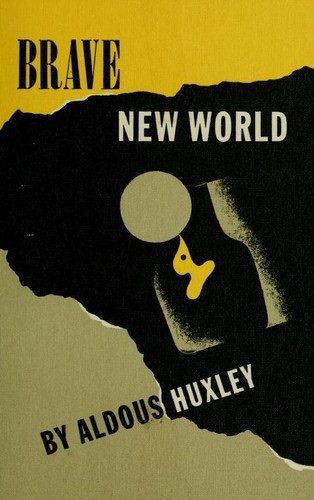
Cover of Brave New World

Brave New World

Aldous Huxley

4 ideas

  1. Pleasure controls more durably than fear

    A regime that rules by pain must keep spending force against resentment, while a regime that rules by satisfaction recruits its subjects' own desires to keep them compliant. The World State uses soma, casual sex, consumer games and constant distraction so that citizens never feel the lack that would make them want change. The result is an unfreedom people defend rather than resist.

  2. Conditioning makes people love their assigned fate

    Through Bokanovsky cloning, embryo tampering, electric-shock conditioning of infants and hypnopaedic sleep-slogans, each caste is manufactured to want exactly the life it will be given. Epsilons are dulled so menial work feels suitable, and Alphas are trained to prize their rank. Stability comes from engineering the wanting itself, so no one feels oppressed.

  3. The stability-versus-meaning trade-off

    In his debate with John, Controller Mustapha Mond argues that tragedy, high art and passionate attachment depend on instability and suffering, and that free scientific inquiry and religion are suppressed because they threaten stability; Shakespeare and God are the price of a society without suffering. John's reply is to claim 'the right to be unhappy', accepting old age, disease and grief as the cost of freedom and meaning.

  4. John the Savage's rejection and death

    John, born naturally on a New Mexico reservation and self-taught in morality and love from a salvaged Shakespeare, is brought to London, displayed as a curiosity, and refused exile to an island. He retreats to a lighthouse to whip himself into purity, but thrill-seeking crowds film him and he is drawn into their frenzied orgy. Ashamed of his own participation, he hangs himself, and his body is found by visitors the following evening, showing how the spectacle consumes his resistance.

Save and mark ideas in the app