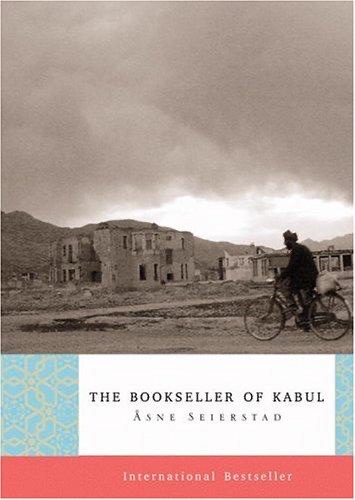
Cover of Bokhandleren i Kabul

Bokhandleren i Kabul

Åsne Seierstad

3 ideas

  1. Bookseller who saved books, ruled family

    Sultan Khan defied communist and Taliban censors, was jailed, and saw his stock burned while he hid thousands of volumes to keep Afghan culture alive. At home he took a teenage second wife and kept his youngest sister Leila as the household's unpaid servant. He pulled his sons out of school to staff his shops, and had a poor carpenter who stole postcards imprisoned rather than forgive him. The same man who fought for intellectual freedom in public denied it completely to the people under his roof.

  2. Female honour as collective family property

    A woman's reputation is treated as an asset belonging to the whole male lineage, so her private choices become the family's public liability. This turns relatives into enforcers, sometimes violent ones. In the book, a young woman named Jamila was killed by her own family over a suspected lover, so that the family's standing, rather than the woman, was protected. Surveillance of women therefore needs no outside authority, because every household member has a stake in it.

  3. Foreign woman as observer inside the house

    As a Western woman, the author could move between the women's quarters and the men's world, which neither an Afghan woman nor a foreign man could do. That access let her report the private life of the household. She then wrote it as a third-person narrative with reconstructed inner thoughts. The same position raises the question of who owns a family's story, and Sultan Khan later sued her in Norway over the portrayal.

Save and mark ideas in the app