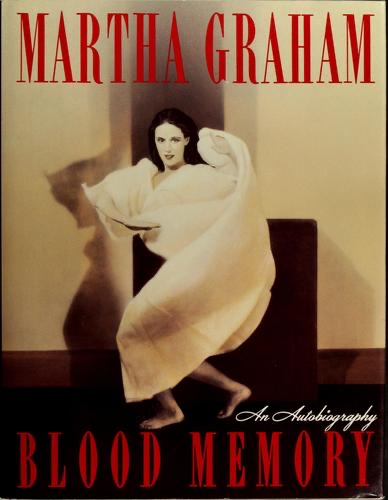
Cover of Blood Memory

Blood Memory

Martha Graham

3 ideas

  1. Blood memory as inherited bodily knowledge

    Graham holds that a dancer's body carries memory older than the individual, including ancestral, cultural and racial experience accumulated over generations. Dance, in this view, is less invention than retrieval. Rigorous training lets the performer reach this stored inheritance and make it visible to an audience.

  2. Contraction and release from the breath

    Graham built her technique on the cycle of breathing. The torso contracts on the exhale and releases on the inhale, and this rhythm becomes the source of all movement. Expressive motion therefore starts in the pelvis and spine, the body's center, rather than in the limbs. This replaced ballet's upright, weightless ideal with movement that shows effort, gravity and inner conflict.

  3. Mastery comes from relentless repetitive practice

    Graham argues that freedom of expression is earned through years of daily, repetitive discipline. She estimates it takes roughly ten years to make a mature dancer. Practice builds the instrument until the body can respond without conscious interference, so that spontaneity comes from rigor rather than competing with it.

Save and mark ideas in the app