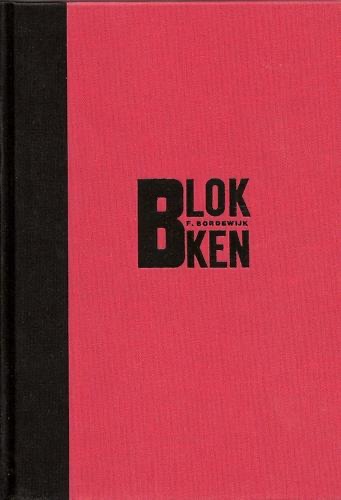
Cover of Blokken

Blokken

2 ideas

Buy on Amazon

In an invented state devoted to cubes and uniformity, architecture becomes a way to order people’s lives. A few individuals resist its demand for conformity. Blokken tells this dystopian story in a terse, chronicle-like form, keeping the state and its rules in view.

  1. Built form as a tool of thought control

    A regime that dictates the shape of the physical environment also dictates what its inhabitants can imagine. When every surface repeats one approved form, any deviation, even a curve, becomes visible as a political act. Aesthetic uniformity therefore works as surveillance and indoctrination at once.

  2. The chronicler's cold register as critique

    The story is told in a terse, impersonal, almost administrative style that records purges and suffering in the same flat tone as building decrees. Because the prose adopts the regime's own abstraction, the reader feels individuals disappear into the record. The missing emotion does the critical work that open condemnation would otherwise do.

Save ideas and give them a thumbs up or down in the app