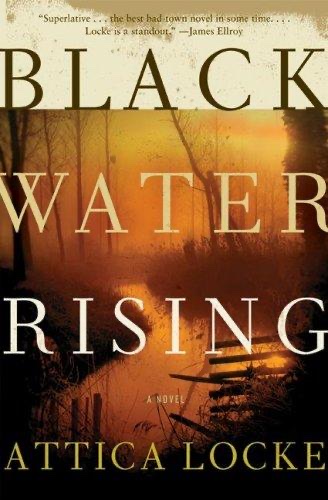
Cover of Black Water Rising

Black Water Rising

Attica Locke

3 ideas

  1. Surveillance trauma as permanent self-censorship

    Porter was an activist prosecuted by the federal government in the 1970s. He is still acquitted-but-marked, and so he reads every encounter with authority as a possible trap. The state's past targeting keeps working after the case ends: its former targets police themselves and stay out of trouble without anyone watching them. For a Black man in Texas, calling the police about a crime feels less like civic duty and more like handing someone a weapon.

  2. Racially split labor serves capital's interests

    The dockworkers' strike pits Black and white longshoremen's unions against each other, and that division is exactly what employers and powerful interests exploit. Workers who could win together are managed separately through race. Leaders who attempt cross-racial solidarity become targets, because their alliance threatens the arrangement that keeps labor cheap.

  3. Cynthia Maddox and the cost of power

    Porter's old movement comrade and ex-lover Cynthia Maddox has become Houston's mayor, and her position shows how an activist inside institutions can come to trade old causes for stability and depend on the business interests she once opposed. Porter stayed outside and stayed poor, so the two offer a contrast between compromise and marginalization. That contrast is not final, since Porter eventually takes on Cole Industries in court.

Save and mark ideas in the app