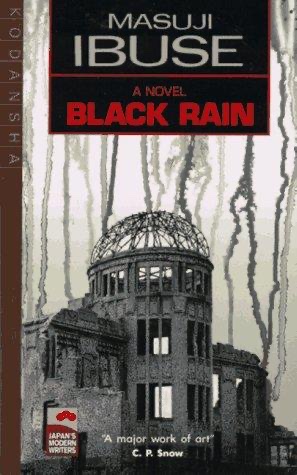
Cover of Black Rain

Black Rain

Ibuse Masuji

4 ideas

  1. Uncle transcribes diaries to clear niece

    In a village near Hiroshima, Shizuma Shigematsu sets out to prove that his niece Yasuko was not exposed to the bomb, because rumors that she has radiation sickness keep ending her marriage negotiations. He copies out her diary and his own bombing journal for a go-between. The record instead shows that she was caught in the black rain that fell after the blast. She then develops radiation sickness, and the proposed match falls apart.

  2. Stigma turns victims into unmarriageable risks

    After the bombing, exposure became a social category that followed survivors into ordinary life. Families arranging marriages screened out anyone suspected of contamination. Because radiation damage could be invisible and delayed, rumor alone was enough to exclude someone, and the burden of proving innocence fell on the victim.

  3. Documentary evidence can indict its compiler

    When someone assembles a factual record to support a conclusion, a faithful transcription may undermine that conclusion. Shigematsu's commitment to copying the diaries accurately exposes the truth he hoped to disprove.

  4. Delayed harm makes catastrophe open-ended

    The black rain produced injuries that surfaced years later. Survivors could not know whether they had escaped, so the event never clearly ended for them. Every symptom became a possible verdict, and hope took the form of watching for signs and omens, such as waiting for a rainbow, rather than trusting any recovery.

Save and mark ideas in the app