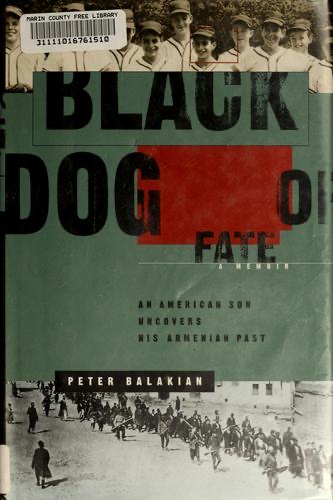
Cover of Black Dog of Fate

Black Dog of Fate

Peter Balakian

4 ideas

  1. A grandmother's coded testimony of genocide

    Balakian's grandmother survived the 1915 Armenian deportations. She was marched with her young daughters from Diyarbekir toward Aleppo, and her husband was killed. In a 1950s-60s New Jersey suburb she never told her grandson this directly. She passed it to him in fragments: dreams, Biblical allusions, folk sayings, and the recurring image of the black dog of fate. Only years after her death, through study, family documents and his aunts' accounts, did he assemble those fragments into the history they encoded.

  2. Silence as a carrier of inherited trauma

    A family's refusal to speak of an atrocity does not stop it from passing to the next generation. It sends the trauma on as mood, anxiety, ritual and unexplained emotional charge. Children sense a weight around certain foods, places, words and silences before they can name its source. The gap in the story becomes part of what is inherited.

  3. State denial extends the genocide itself

    A perpetrator state's official denial of a genocide is not a neutral dispute over history. It continues the original violence. Denial erases the victims a second time, keeps survivors from public grief and recognition, and pushes descendants to prove their own history before they can mourn it.

  4. Retroactive rereading of an ordinary childhood

    Learning a suppressed family history reorganizes earlier memories. Details that seemed quirky or random in a normal assimilated suburban childhood become evidence and allusion once the history is known. The comfortable American surface is recast as something built partly to cover a catastrophe. Its normalcy served as a form of forgetting.

Save and mark ideas in the app