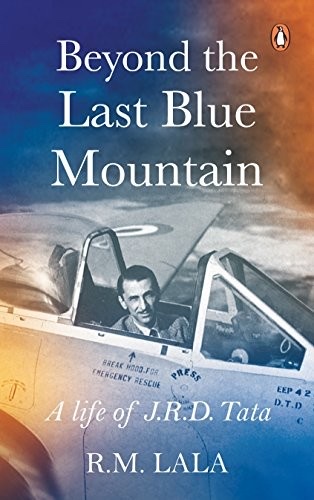
Cover of Beyond the Last Blue Mountain: A Life of J. R. D. Tata

Beyond the Last Blue Mountain: A Life of J. R. D. Tata

R. M. Lala

3 ideas

  1. JRD's 1932 Karachi–Bombay inaugural mail flight

    On 15 October 1932, J. R. D. Tata, holder of India's first pilot's licence, flew a single-engine de Havilland Puss Moth solo from Karachi to Bombay via Ahmedabad, carrying mail to launch Tata Air Lines. The venture was started on a small capital outlay with partner Nevill Vintcent, and in time became Air India. It shows a national institution growing out of one enthusiast's personal, hands-on risk rather than state planning.

  2. JRD's long argument against licence-permit controls

    Lala documents JRD's decades-long case against the licence-permit regime and the 1969 MRTP Act, which made expansion and entry into new industries depend on bureaucratic approval and restricted large houses like Tata. JRD argued these rules held back capable firms without curing shortages. The 1953 nationalisation of his airline is part of this story, but JRD went on to chair Air India under government ownership for 25 years before his 1978 removal, so the book does not reduce the two events to a single rejection of his competence.

  3. Lead by choosing strong chiefs, then letting go

    JRD ran the Tata group as a loose federation. He picked forceful individuals to head its companies, such as Russi Mody, Darbari Seth and Sumant Moolgaokar, and gave them wide autonomy. His own role was building consensus and guarding values rather than issuing commands. This let talent flourish and diversified the group, but it also let company heads become entrenched power centres that the holding company struggled to coordinate.

Save and mark ideas in the app