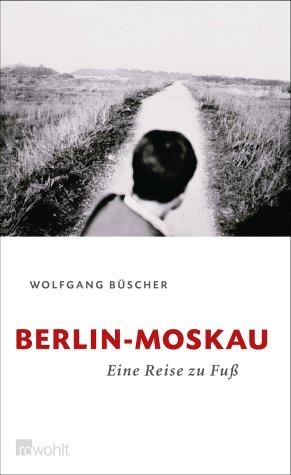
Cover of Berlin–Moskau

Berlin–Moskau

Wolfgang Büscher

4 ideas

  1. A German walks Berlin to Moscow

    In 2001 the German journalist Wolfgang Büscher walked alone from Berlin to Moscow in eighty-two days. The trip is a concrete case of one person crossing a post-Soviet borderland at walking speed, with direct contact with rural people and without the usual traveller's filter of car, train or hotel.

  2. Walking pace reveals the in-between

    Moving at walking speed forces the traveller through the villages, forests and back roads that faster transport skips entirely. What gets noticed changes from destinations to the continuous texture between them. Slowness here is a way of perceiving: the landscape and its people have time to register as particular rather than as scenery.

  3. The route as layered memory

    A road that armies have repeatedly marched along carries its history in the places themselves. The traveller's nationality and direction change what the journey means, both to him and to the people he meets.

  4. Voluntary walking reads as anomaly

    Where people walk long distances only out of necessity, a foreigner who chooses to walk looks inexplicable. Locals and officials fall back on the categories they have: poverty, madness or something suspicious. That anomaly exposes local assumptions about who travels, why, and under whose eye.

Save and mark ideas in the app