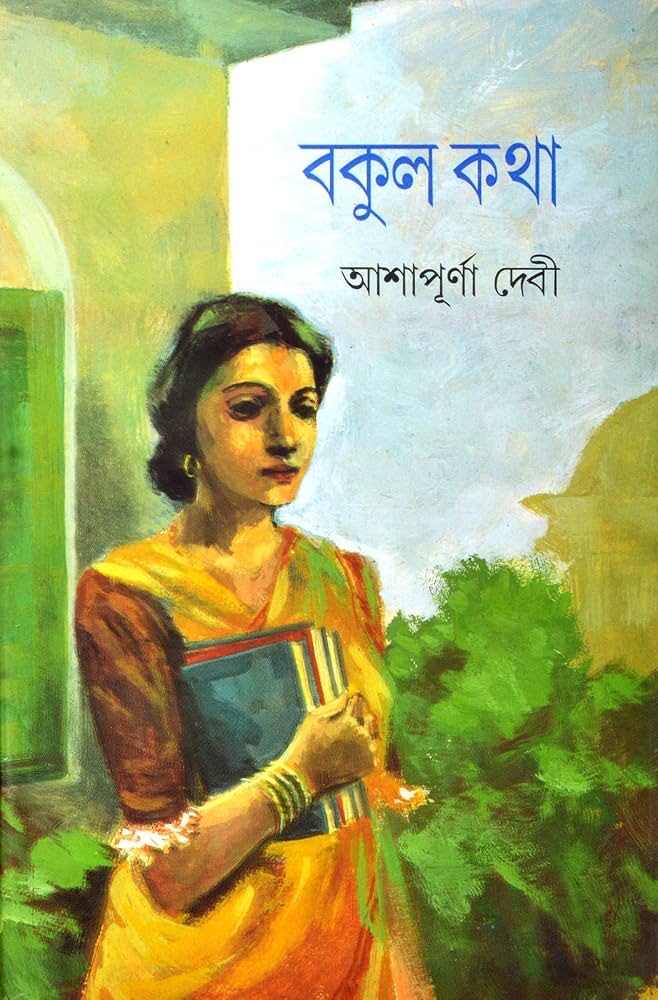
Cover of Bakul Katha

Bakul Katha

India · 1850–1970

2 ideas

Buy on Amazon

Bakul stands at the end of a trilogy about three generations of Bengali women. In this final novel, her life brings questions of education, writing and self-expression into the family home. Ashapurna Devi gives the changing possibilities for women a personal scale through a granddaughter shaped by the generations before her.

  1. Bakul becomes Anamika Devi, the family's chronicler

    Bakul, the youngest and most overlooked daughter of Subarnalata, gives up her girlhood attachment to the neighbour boy Nirmal when family propriety closes that path, and she never marries. She becomes a celebrated writer under the pen name Anamika Devi, 'the nameless one', and takes on the task of recording the stories of her grandmother Satyabati and her mother Subarnalata. Subarnalata's own attempt to write her life had been dismissed by her family and came to nothing.

  2. Outward freedom versus inner self-possession

    Bakul watches younger women in her family move through modern Calcutta with a freedom of dress, romance and movement her mother could not have imagined. She sees that many of them still lack a settled, self-determined inner life. The novel separates external permissions from interior selfhood and suggests that removing prohibitions does not by itself produce a self.

Save ideas and give them a thumbs up or down in the app