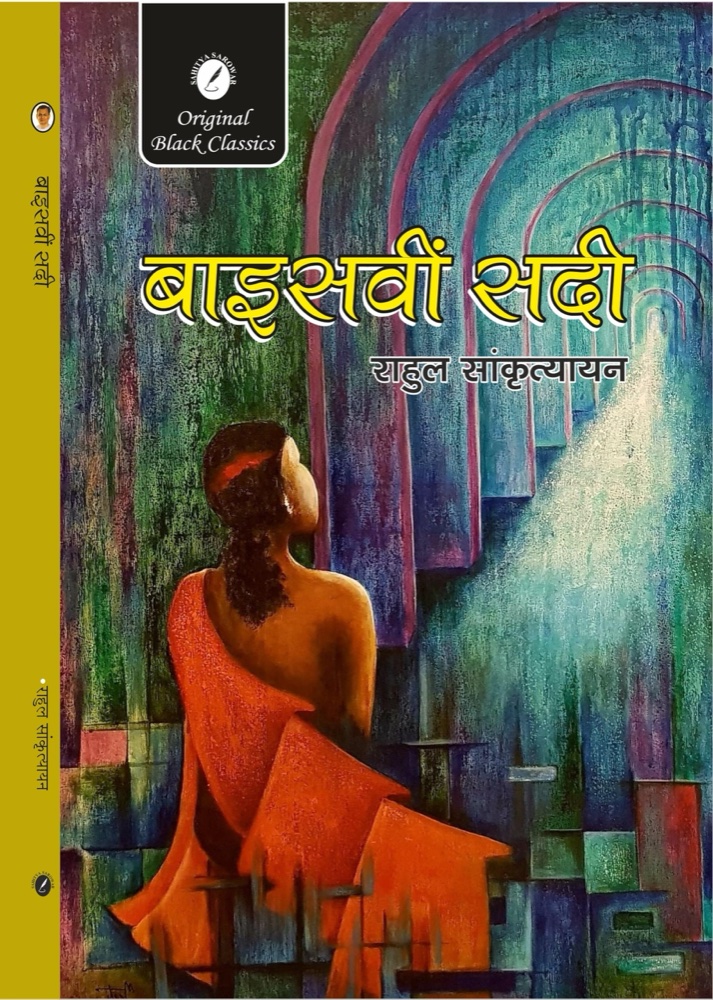
Cover of Baisvin Sadi

Baisvin Sadi

20th century – 22nd century

2 ideas

Buy on Amazon

A man wakes in the imagined year 2124 to find daily life remade: caste and religion are gone, and work takes four hours a day. Rahul Sankrityayan uses that encounter with the future to give his Hindi utopian story a concrete question: how would people live under those changed terms?

  1. Sleeper wakes into communist 2124

    In this Hindi utopian novel, written in the 1920s, a man from the author's own era awakens two centuries later in 2124. He finds India part of a single world communist state with no caste, no religion and a four-hour working day. His guided tour of this society serves as an early, concrete Indian vision of what a fully socialized future would look like.

  2. Future as critique of the present

    The awakened sleeper sees the reorganized future as a newcomer from the author's own time. That makes each difference he notices an implicit indictment of the reader's present, whether it is the absence of untouchability, the absence of priests or the absence of toil. The utopia works less as a prediction than as a measuring device that makes present arrangements look contingent and changeable.

Save ideas and give them a thumbs up or down in the app