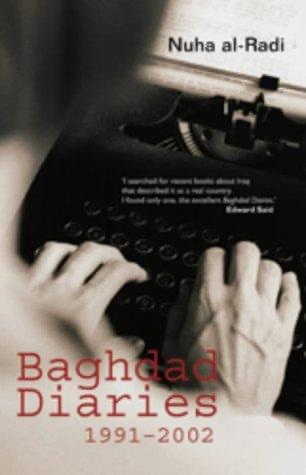
Cover of Baghdad Diaries

Baghdad Diaries

Nuha al-Radi

4 ideas

  1. Baghdad household under the 1991 bombing

    When the Gulf War air campaign began in January 1991, ceramicist Nuha al-Radi stayed in Baghdad with family and neighbours as electricity, running water and telephones failed. She recorded how thawing freezers forced people to cook and share all their stored meat in improvised feasts. Life narrowed to hauling water, finding fuel, tending the garden and animals, and trading rumours. News arrived of the Amiriyah shelter strike, which killed hundreds of civilians, alongside those domestic routines.

  2. Sanctions destroy a society more slowly

    The bombing was acute and survivable, but the years of UN sanctions that followed eroded Iraqi society more deeply. Collapsing wages and currency forced middle-class families to sell books, furniture and heirlooms to eat. Medicine shortages killed the vulnerable, and professionals emigrated. The harm fell on ordinary people rather than the regime it targeted, and it was harder for outsiders to see because it had no single dramatic moment.

  3. War seen through domestic logistics

    Recording war at the level of daily chores makes its real effects on civilians legible in a way strategic accounts cannot. Examples include how many buckets of water, what fruit is ripening, which dog needs feeding and which friend has left. The diary's attention to the mundane shows endurance as a matter of maintaining routines, not of heroic acts.

  4. Embargo art from scavenged materials

    Cut off from imported supplies, al-Radi turned to making sculpture and figures from whatever was at hand: scrap, wood, stones and broken objects. The shortage itself became the medium and the subject. Making art under deprivation served as both practical adaptation and a way to keep an intact sense of self and to bear witness when normal professional life had collapsed.

Save and mark ideas in the app