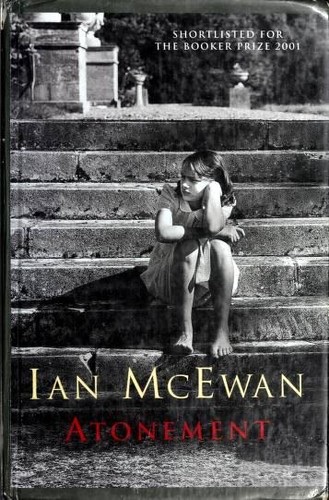
Cover of Atonement

Atonement

Ian McEwan

3 ideas

  1. Briony's false accusation of Robbie Turner

    In the summer of 1935, thirteen-year-old Briony Tallis sees fragments of her sister Cecilia's relationship with Robbie Turner, the housekeeper's son: a scene at a fountain, an obscene letter, the two of them making love in the library. When her cousin Lola is sexually assaulted that night in the dark, Briony reads these fragments through a melodramatic story she has already built, tells the police she saw Robbie do it, and holds to it. Robbie is imprisoned and then sent to the war. The real attacker, Paul Marshall, later marries Lola, and Robbie and Cecilia are never truly reunited.

  2. Briony questions whether a novelist can atone

    In her closing reflection, Briony asks how a novelist can achieve atonement when she holds absolute power over outcomes and there is no higher entity to appeal to or be forgiven by. She calls the task impossible and says the attempt was all. This is her own view of her position as the author of the lovers' fate, not a general account of what moral possibilities remain.

  3. Fiction as consolation that falsifies the record

    Briony's novel gives Robbie and Cecilia a reunion. At the end she reveals it never happened: both died in 1940. This shows that a writer can hand the victims a happiness reality denied them, but only by lying. The author holds god-like power over outcomes, and that same power makes the gift both merciful and self-serving, since it also softens the author's own guilt.

Save and mark ideas in the app