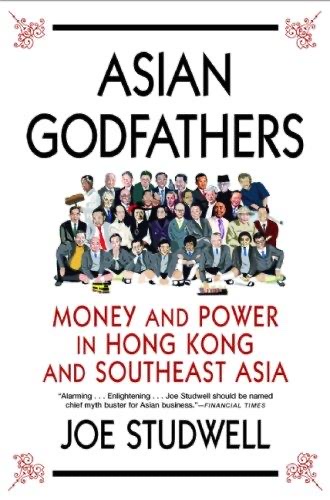
Cover of Asian Godfathers

Asian Godfathers

Joe Studwell

6 ideas

  1. Wealth comes from concessions, not entrepreneurship

    The region's great fortunes were built mainly by capturing politically granted monopolies, licences and concessions (casinos, telecoms, ports, cement, import rights, property banks), not by out-competing rivals in open markets. The godfather's core skill is managing relationships with those who control state gatekeeping, and the rents that flow from those relationships account for most of his returns.

  2. Listed shell, private crown jewels

    Families float a public holding company to raise cheap capital from minority investors while keeping the most profitable assets in private vehicles. Through related-party transactions, asset injections at inflated prices and pyramid cross-holdings, value is moved from the listed entity to the family, so outside shareholders fund the empire without sharing fully in its best returns.

  3. The ethnic-outsider bargain with power

    Ethnic-Chinese tycoons usually could not hold political power themselves because they were politically marginal minorities. That made them safe, dependent partners for indigenous rulers and generals: the ruler supplied protection and licences, and the tycoon supplied money and business competence without posing a political threat. The dependence on patrons is also what makes these fortunes fragile when regimes fall.

  4. Godfather dominance stunts real development

    Because tycoons profit from domestic rents in property, utilities and protected services, they have little incentive to build globally competitive manufacturing or to invest in technology. Their dominance crowds out independent entrepreneurs and diverts capital away from productive upgrading. This helps explain why Southeast Asia's growth lagged Japan, Korea and Taiwan, where states pushed firms to export and compete.

  5. Reading past the Confucian-values success story

    Studwell argues that popular accounts crediting tycoon success mainly to Chinese thrift, family values, guanxi networks or cultural genius are overstated and explain little. He treats tycoon biographies and admiring press coverage skeptically, as sources that tend to flatter their subjects rather than as reliable explanations of how the fortunes were made.

  6. The 1997 crisis exposes the model

    When the Asian financial crisis hit, many godfather conglomerates turned out to be heavily leveraged, poorly run and dependent on political favour. Indonesia's Salim group is a leading example: it had grown alongside Suharto and had to hand major assets to the state to settle debts after his fall. Minority investors and taxpayers took large losses, while many families kept control through the restructurings.

Save and mark ideas in the app