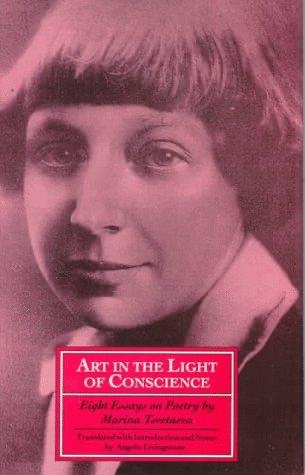
Cover of Art in the Light of Conscience

Art in the Light of Conscience

Marina Tsvetaeva

3 ideas

  1. Art is nature, not the moral realm

    Tsvetaeva argues that a work of art is produced the way nature produces things: it happens through the artist rather than being willed by them. Its value is therefore not guaranteed to be good. The poet is a medium for elemental forces, and those forces can serve evil as readily as good. Anyone who calls art holy in itself is mistaking power for virtue.

  2. Walsingham's hymn and the missing counter-hymn

    Tsvetaeva reads Pushkin's 'Feast in the Time of Plague', in which Walsingham sings an ecstatic hymn to the plague and refuses the priest who comes to call the revelers home. In her reading the priest is ineffectual, and the moral force lies in the counter-hymn that no one sings. Pushkin himself escapes possession by making the song, so the drama is her case for how a poet can give voice to the element without being taken by it.

  3. Human conscience ranks above poetic gift

    Tsvetaeva sets out a hierarchy: a person is a human being first and a poet second, so the poet answers to conscience for what they make. The poet's only fitting prayer is not to be tempted, not to see or hear what should stay unsaid. Declining to write a powerful but harmful thing is a legitimate choice. It counts as a victory of the person over the gift.

Save and mark ideas in the app