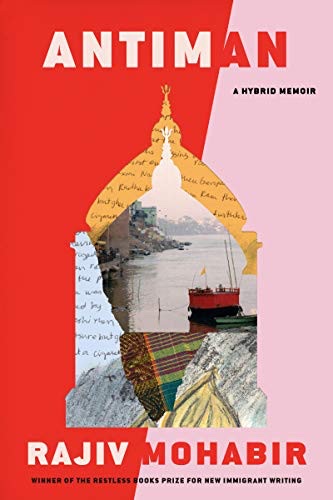
Cover of Antiman

Antiman

Rajiv Mohabir

3 ideas

  1. Learning Bhojpuri songs from his grandmother

    Rajiv Mohabir, a queer poet raised in Florida by Guyanese parents, recorded and learned Bhojpuri folk songs from his grandmother, songs carried from India to Guyana through indentured labor. He then traveled to Guyana, Trinidad and India to trace them among other elders. The songs let him connect to his ancestors at the same time that his own family was calling him 'antiman' for being gay.

  2. Antiman: slur that polices Indo-Caribbean masculinity

    'Antiman' is a Caribbean slur for an effeminate or gay man. It defines a man by what he is taken to oppose or fail at, not by anything he is. In Indo-Caribbean families it works as a disciplining word that marks queerness as a betrayal of both manhood and community. That forces the queer person to choose between belonging and selfhood.

  3. Oral song as archive of indentured history

    When a diaspora's history was never written down by the people who lived it, folk songs become its archive. Bhojpuri songs sung by women preserved memories of migration, loss and ritual that colonial records left out. Losing the language of those songs therefore means losing access to the ancestors themselves, not just to an art form.

Save and mark ideas in the app