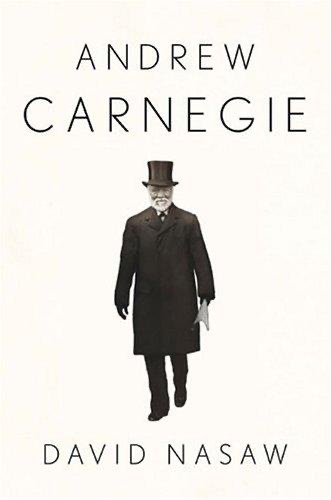
Cover of Andrew Carnegie

Andrew Carnegie

David Nasaw

3 ideas

  1. Homestead strike of 1892 and Carnegie's absence

    In 1892 Carnegie wanted the union broken at the Homestead works, then left for Scotland and let his partner Henry Clay Frick carry it out. Frick locked out the workers and brought in Pinkerton guards, and the gun battle on July 6 killed both workers and Pinkertons. State militia then occupied the town. Carnegie had long published essays defending labor's right to organize, and his distance from the violence did not spare him public blame. The episode permanently tied his name to the gap between the benefactor he claimed to be and the owner he actually was.

  2. The Gospel of Wealth: dying rich is disgraceful

    Carnegie argued that concentrated industrial fortunes were a natural result of competition. He held that the rich man has a duty to give away his surplus during his lifetime, as a trustee for the community, rather than leave it to heirs or hand out indiscriminate charity. The money should go to 'ladders upon which the aspiring can rise,' such as libraries, universities and institutes, so that self-help is rewarded rather than dependency funded.

  3. Philanthropy as justification for accumulation

    Nasaw treats Carnegie's industrial ruthlessness and his generosity as parts of one system rather than a contradiction. The promise to give everything away later let him justify low wages, long hours and union-breaking in the present, because he could argue the surplus would do more good under his control than in workers' pay. Read this way, an industrialist's giving becomes part of the case for how the money was made.

Save and mark ideas in the app