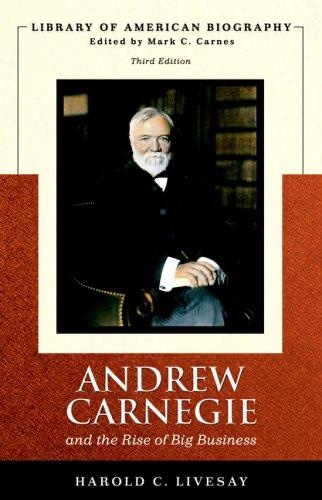
Cover of Andrew Carnegie and the Rise of Big Business

Andrew Carnegie and the Rise of Big Business

Harold C. Livesay

3 ideas

  1. Railroad apprentice who transplanted railroad management

    Carnegie rose from telegraph messenger to superintendent of the Pennsylvania Railroad's western division under Thomas Scott and J. Edgar Thomson. There he absorbed the railroad's system of detailed cost reporting, hierarchical control and relentless throughput. When he opened the Edgar Thomson Works in 1875, named partly to court the railroad as a buyer, he applied those same methods to making Bessemer steel rails, and his competitive edge came from management borrowed from the railroads rather than from any metallurgical invention.

  2. Watch the costs, profits follow

    Carnegie installed detailed cost accounting that tracked material, labour and fuel costs by department and compared them period to period and against each other. This made every manager accountable for a visible number and exposed waste immediately. It also told him exactly how low he could price, which let him keep mills running at full capacity and underbid rivals during depressions while they cut output or failed.

  3. Iron Clad partnership as capital retention

    Carnegie kept his firm a closely held partnership rather than selling stock to the public. Under the Iron Clad Agreement, a partner who died or was pushed out had his interest bought back at book value, well below market worth. Combined with Carnegie's majority control, this let him plough profits back into expansion instead of paying dividends, and kept outside investors from demanding caution.

Save and mark ideas in the app