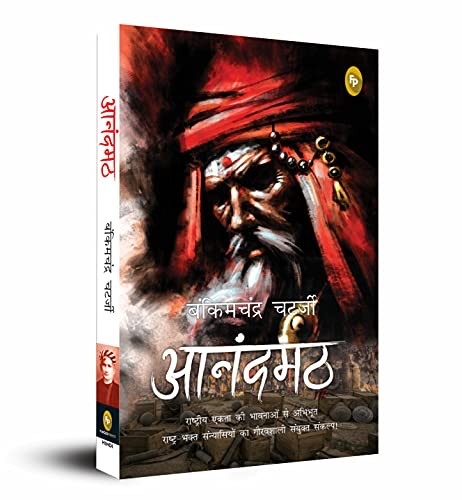
Cover of Anandamath

Anandamath

Bankim Chandra Chatterjee

4 ideas

  1. Mahendra and Kalyani flee the 1770 famine

    The novel opens in the village of Padachinha during the Bengal famine of 1770, where the landholder Mahendra and his wife Kalyani, with their infant daughter, abandon their starving village. Separated on the road, Kalyani is seized by famished bandits and rescued by the ascetic Satyananda. Mahendra is drawn into the Santan brotherhood, so the famine becomes the direct pathway through which an ordinary householder is converted into a rebel.

  2. Three images of the Mother-nation

    In the Santans' temple Mahendra is shown three forms of the goddess. Jagaddhatri is the motherland as she was, prosperous. Kali, naked, dark and garlanded with skulls, is the motherland as she is, famished and despoiled. Ten-armed Durga is the motherland as she will be, restored and powerful. Mapping past, present and future onto a single deity turns political grievance into devotion, so that fighting for the land becomes an act of worship and restoration becomes a sacred duty.

  3. Renunciation vow and its penance

    Santans vow to give up wife, family, wealth and personal attachment until the Mother is freed, cutting private loyalties that could compete with the cause. The novel shows the vow's breach answered by both guilt and required penance: Bhabananda, having desired Kalyani, dies in battle, and Jibananda, having met his wife Shanti, owes the penance Satyananda demands and seeks death. Shanti herself questions Jibananda's guilt, so the book presents the vow's hold as real but contested rather than simply self-enforcing.

  4. Victory deferred: British rule as necessary interlude

    The novel ends after the Santans win a battle. Their leader Satyananda is then told by a mysterious healer to withdraw, because English rule must come first. The healer argues that the English will teach material and outward knowledge, and that Hindu spiritual resurgence can only follow once that knowledge has been absorbed. This ending turns the Santans' armed triumph into a preparatory stage and leaves the book's anti-colonial charge deliberately ambiguous, which is part of why its political legacy is so contested.

Save and mark ideas in the app