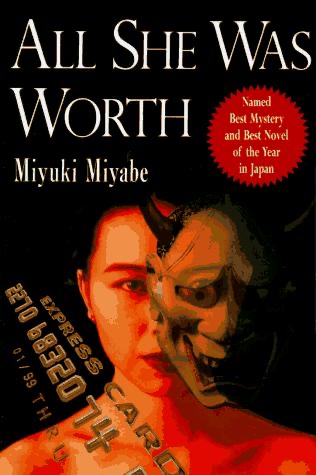
Cover of All She Was Worth

All She Was Worth

Miyabe Miyuki

3 ideas

  1. The fiancée who was someone else

    Shunsuke Honma, a Tokyo police detective on medical leave after being shot, is asked by a young relative, Jun Kurisaka, to find his fiancée, Shoko Sekine. She vanished after a bank credit check revealed that 'Shoko Sekine' had declared personal bankruptcy years earlier. Honma learns the fiancée was actually Kyoko Shinjo. Her family had been destroyed by her father's loan-shark debts, and she apparently killed the real Shoko, a woman with few close ties, and took over her name and records to live a debt-free life.

  2. Personal bankruptcy as structural, not moral

    The novel argues through a bankruptcy lawyer that consumer debt ruin is produced by a system, not by weak individuals. Lenders issue cards and loans with little scrutiny, profit from interest on people who cannot repay, and hand defaulters to aggressive collectors. Ordinary people get pulled into escalating debt, and society then blames them for lacking willpower, which hides the lenders' incentives.

  3. Paper records let one woman become another

    In the novel, Japan's family register (koseki) and related records do the work of vouching for who someone is, which lets Kyoko, fleeing collectors chasing her father's debts, take over the papers of Shoko Sekine, a woman with few close ties to notice. The swap works because the documents, not people who knew Shoko, confirm identity, though the borrowed name turns out to carry its own bankruptcy.

Save and mark ideas in the app